
 Call Us Now: 888.945.2611

Call Us Now: 888.945.2611
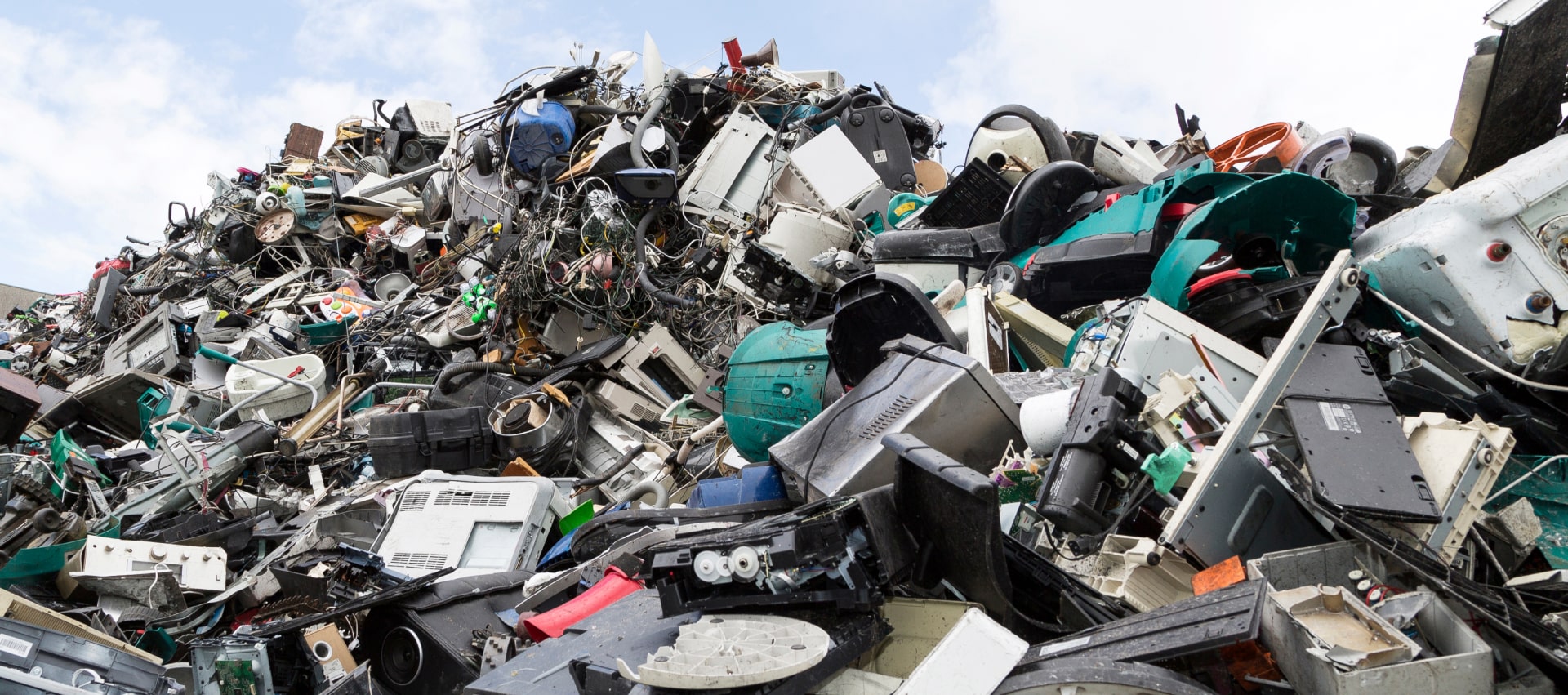
We Offer Comprehensive Recycling Services for Your
Used Electronics
and Other Electrical Equipment.

Jun 20, 2026
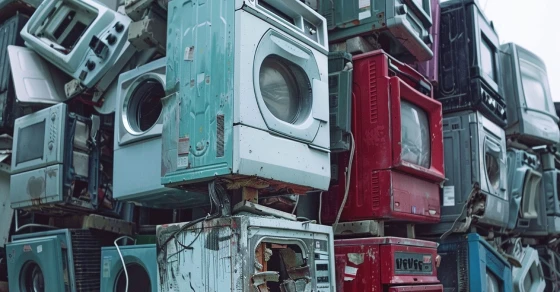
If you’re searching for home appliance recycling near you, almost every appliance in your home can be recycled, from the toaster on your counter to the fridge in your garage. Appliances are full of valuable metals and plastics that a certified recycler can recover, and keeping them out of the landfill is both easier and more important than most people realize. This guide covers what’s accepted, how to prepare items, and where to drop them off across Canada.
Canadians are generating more electronic and appliance waste every year. Per-person e-waste in Canada rose from 8.3 kilograms in 2000 to 25.3 kilograms in 2020, and the country now produces nearly one million tonnes of e-waste annually, a figure projected to reach 1.2 million tonnes by 2030.
Small appliances are a big part of that. In 2023, about one in six Canadian households had unwanted small appliances to get rid of, making them one of the most common items people need to dispose of. The problem is that most appliances contain a mix of metals, plastics, and sometimes hazardous components that don’t belong in the trash. Recycling returns materials like steel, copper, and aluminum to the manufacturing stream and keeps harmful substances out of soil and water. Our overview of the environmental benefits of e-waste recycling explains why this matters.
Large appliances, sometimes called “white goods,” are mostly high-grade steel, which makes them highly valuable to recyclers. Most provincial programs and specialized recyclers accept:
Because they’re heavy and sometimes contain refrigerants, large appliances usually need specialized handling rather than a standard drop-off, so a scheduled pickup is often the easiest route.
Small appliances are easy to overlook, but they’re fully recyclable and add up fast. As a rule, anything portable that plugs into a standard outlet can be recycled.
| Category | Common items | Notes |
|---|---|---|
| Kitchen and countertop | Toasters, kettles, coffee makers, blenders, food processors, microwaves | Mix of plastic, copper wiring, and small motors, all recoverable |
| Floor care | Vacuums (upright, canister, robotic), carpet cleaners | Robotic units may contain batteries |
| Personal care | Hair dryers, electric shavers, electric toothbrushes | Remove built-in batteries where possible |
| Power tools | Drills, saws, sanders | Often contain lithium-ion batteries, which need specific handling |
A quick word on batteries: lithium-ion batteries in cordless tools and robotic vacuums are a fire risk if they’re crushed, so they should be recycled through a proper channel rather than thrown out. If you’re clearing out a range of items, our guide to what you can drop off at a public site lists the small appliances we accept.
More appliances now connect to the internet. Smart fridges, ovens, and even some coffee makers can store Wi-Fi passwords and account details. Before you recycle a connected appliance, reset it and remove your network information, the same way you would with a phone or laptop. For higher-risk devices, certified data destruction guarantees your information is permanently removed.
A little preparation keeps the process safe and compliant:
The easiest way to find small appliance recycling near you is the eCycle public drop-off site finder. Enter your location and you’ll see the closest of hundreds of sites across Canada, with strong coverage in Ontario, Alberta, British Columbia, and Quebec.
For large appliances that are too heavy to move, our electronics and appliance pickup service can collect them from your home.
Yes. Almost any small appliance that plugs into a standard outlet can be recycled, including toasters, kettles, coffee makers, blenders, vacuums, hair dryers, and power tools. The metals, plastics, and wiring inside are recovered for reuse, and built-in batteries are handled safely.
Take them to a certified electronics drop-off site near you. Most public drop-off locations accept small kitchen appliances like microwaves, toasters, and kettles. Use a national drop-off finder to locate the closest site, or book a pickup for larger loads.
No. Appliances don’t belong in your curbside recycling or garbage bin. They need to go to a recycler that can safely recover the metals and remove hazardous components like refrigerants or batteries, which curbside programs aren’t equipped to handle.
Recycling most small appliances at a public drop-off site is typically free, funded by provincial stewardship programs. Large appliances with refrigerants may involve a handling fee or require a scheduled pickup. Check your local drop-off site for details.
Whether it’s a single toaster or a fridge that’s seen better days, eCycle makes it easy to keep appliances out of the landfill. Find small appliance recycling near you with our public drop-off site finder, or request a quote for pickup of large items. You can also call us at 888.945.2611.
Tricia Oldfield is VP Sales & Marketing at eCycle Solutions, Canada’s certified e-waste recycler and ITAD provider. R2v3 certified. Request a Quote.

eCycle Solutions is my most recommended and is a highly reputed electronics solutions company. Their team is highly efficient and supportive! My experience with them was so great that I will consider them in the future for sure! Highly recommended!

It is so important to properly recycle your electronics and ensure they do not end up in a landfill. eCycle Solutions is my number one choice! They ensure your electronics are recycled properly. Highly recommended!
eCycle Solutions is Canada’s best electronic recycler. Great team, polite and friendly customer service. Thank you eCycle Solutions for doing a wonderful job. Highly recommended!
